
One Sunday morning in 2023, the quiet of my parents' kitchen felt heavy, the coffee cold and my father still at the table where he had passed away the night before. I am a reference librarian at a suburban Indianapolis branch. I deal with chaos using spreadsheets and call numbers, but as I sat there, I realized I had no system for the catastrophe of an empty chair. I spent the next three years rebuilding my widowed mother’s filing cabinet and drafting our family’s futures from that same kitchen table.
Quick disclosure before you read: every will-software, legal-form, and tax-prep link below pays me a referral fee when a reader subscribes through it. Your price stays the same as going direct. My household ran all three tools through real paperwork between 2023 and 2026. The referral income funds buying the next platform to print-test, which is the only way these reviews stay current.
The Filing Cabinet Audit: Late Last November
Late last November, I finally tackled the 'Reference Stack' of Dad’s life. I remember the metallic, sharp scent of old hanging file folders as I pulled thirty years of Dad’s records into the light. It was a mess of expired insurance policies and tax returns from the nineties. As a librarian, I knew I needed to 'weed' the collection before I could organize it. This was the start of the filing-cabinet audit that changed everything.
I am not a lawyer. I am a woman who got tired of being quoted four figures for documents I could generate myself for less than the cost of a new printer. But here is the catch: what worked for me in Indiana might be a disaster for you in Louisiana or California. Legal forms are like Dewey Decimal categories; they look universal until you realize every library has its own local variations. In Indiana, we have a two-witness rule and we do not recognize a holographic will, which is just librarian-speak for 'if you handwrite it on a napkin, the court will ignore it.'

The Software Stack: Early This Spring
Early this spring, I started the actual drafting. I used WillMaker as my primary tool for our wills. It is the 'Editor's Pick' for a reason. The full package includes 35 documents, covering everything from the main will to a letter-to-survivors template that I didn't even know I needed until I was writing one for Mom. It covers 49 states, which is great, but it explicitly excludes Louisiana because that state follows a civil law system based on the Napoleonic Code rather than the common law the rest of us use.
For the more random stuff, I leaned on LawDepot. Their library has over 400 legal forms. I used it to draft a rental agreement for the tenant in Mom's basement and a contractor agreement for the kitchen renovation we started in May. It is excellent for those one-off needs. You can read more about why I kept that subscription in my LawDepot subscription review. However, I found their will templates a bit thinner than WillMaker's, which is why I kept the heavy lifting for the actual estate to Nolo.
The Small Business Blind Spot
The biggest thing I did not verify for other states was how these tools handle small business partnerships. My brother owns a landscape company with a partner. As we were going through the paperwork pillars my mother needed, we realized the standard DIY templates often skip over mandatory buy-sell agreements. If you own a business, a simple will might not keep the company operational if you pass away. The software flagged the need for a contingent beneficiary, but it didn't write the complex business succession clause his partner required. If your household involves a complex partnership, you absolutely need to take your software draft to a real attorney.

The Notary Trap: Around Mid-July
Around mid-July, I hit my first major failure. I was at the bank trying to update Mom's accounts. I was staring at the bank teller while she pointed to the lack of a notary stamp on a document I was certain was complete. In Indiana, you can have a 'self-proving' clause which means you don't technically need a notary for the will to be valid in probate. But banks are not probate courts. They see a lack of a gold seal and they freeze up.
I had rage-printed that form three times before realizing the margins on the self-proving page were cutting off the signature line just enough to make the teller suspicious. It was a 'circulation desk' moment: sometimes the book is in the system, but if the barcode is smudged, you aren't checking it out. I learned the hard way that just because Indiana law says a notary isn't strictly required for the will's validity, your life will be much easier if you get the stamp anyway. Other states, like Ohio, have much stricter requirements about where and when that notary has to sign.

The Checkbox Moment
While helping my brother with his WillMaker draft, I had a sudden, cold realization. If my brother died tomorrow, his share of the estate would have gone to an ex-wife because I missed one checkbox in the beneficiary worksheet. The software is only as good as the librarian entering the data. WillMaker’s beneficiary worksheet caught the fact that I had no contingent for him, which was a zero-dollar mistake that would have cost a probate attorney thousands later. It’s these tiny details, the 'metadata' of our lives, that the software manages if you actually pay attention to the prompts.
Tax Season and the Finished Ledger: Just a Few Weeks Ago
Just a few weeks ago, I finally closed the book on the first tax season without Dad's CPA. He retired shortly after Dad passed, and the whole mess fell on me. I switched to E-file.com because their basic tier is free for households with an Adjusted Gross Income under $100,000, which fit our situation perfectly. I felt the tightness in my shoulders finally releasing when the E-file 'Accepted' screen appeared. It picked up about 80 percent of the line items from Dad's old filings just by uploading the PDF.
It wasn't just about the money; it was about the control. I was tired of being at the mercy of hourly quotes. Whether it was using LawDepot for a quick form or WillMaker for the big stuff, I realized that for a standard Indiana household, these tools are enough. But they are tools, not magic wands. If you have a business with partners, a special-needs trust, or an estate over half a million dollars, please, go talk to a professional.
Final Thoughts from the Kitchen Table
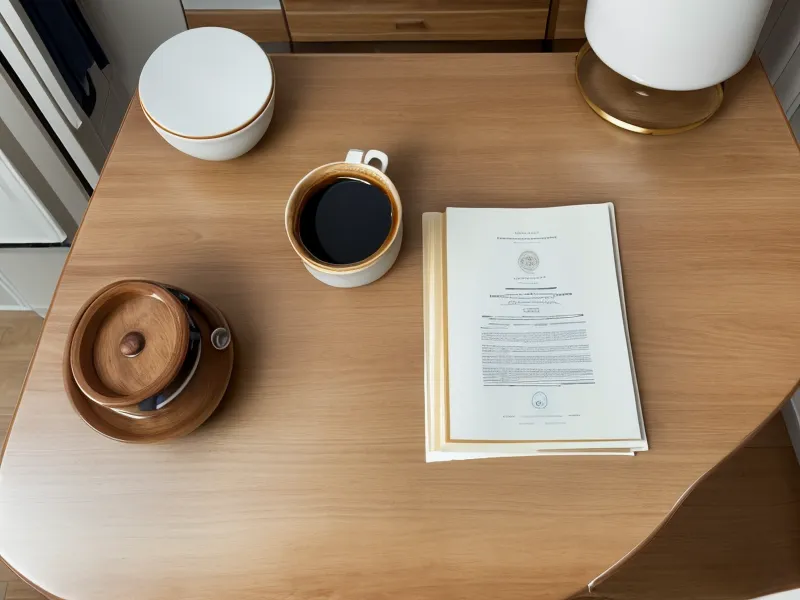
My workflow is built on Indiana soil. I know our two-witness rule like I know the Dewey Decimal 300s. I know we don't recognize handwritten wills. But if you are in a different state, your 'call number' will be different. These tools are the best way to get a draft on the table so you aren't paying a lawyer three hundred dollars an hour to type your name and address. Just remember to check your local margins before you hit print.
I am not a lawyer, and this isn't legal advice. I'm just a librarian who wants her mother to be able to find the car deed without crying. If your family situation is even a little bit complicated, use these tools to make your first draft, then take that draft to a local attorney for a final review. It will save you time, and more importantly, it will save your kids a lot of heartaches at the kitchen table.