
Four hundred dollars. That's the exact net-earnings line where the IRS stops treating a side hustle like pocket money and starts treating it like a business with its own paperwork trail. My library consulting crossed that line last year, turning side hustle tax filing from an abstract phrase into a stack of 1099-NEC forms I actually had to sort.
Quick housekeeping note before the details: the E-file and LawDepot links further down are referral links, and a subscription through either one sends me a small commission at no extra cost to you. That's what funds the print tests and state-by-state comparisons behind every one of these DIY legal-tools posts. I'm a reference librarian, not a CPA or an attorney, so treat anything technical here as a starting point rather than a filing strategy.
From Estate Paperwork to Side Hustle Paperwork
Three years of drafting my own will and rebuilding my mother's filing system taught me one thing: government forms look scarier than they actually are once you've read a few of them. So when the consulting income stopped being a rounding error, I didn't call around for quotes. Net earnings over $400 trigger self-employment tax, the 15.3% covering Social Security and Medicare that nobody withholds for you when there's no employer signing your check. Anyone who pays you more than $600 in a year is supposed to send a 1099-NEC, though the $400 threshold is the one that actually obligates you to report the income, form or no form.
Schedule C is where all of it lands. Think of the 1040 as the general card that gets you into the building; Schedule C is the permit for the specialty collection, the one where the income and every deductible expense against it actually get itemized. Skipping it because a client never got around to sending a 1099 is the kind of shortcut that reads as a mismatch to an automated system a year later.
Setting Up E-file for a Side Hustle Tax Return
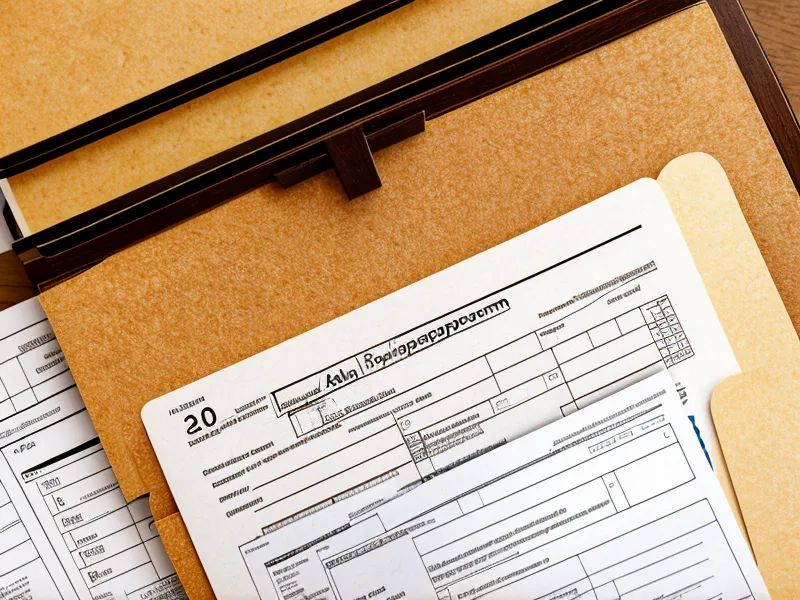
I picked E-file over flashier competitors mostly because the interface doesn't try to sell me anything mid-form. It looks a little dated, more like an early-2010s library catalog than a finance app, and that plainness turned out to be a feature. The PDF import tool pulled roughly 80% of the line items straight off a scan of last year's return, which meant I wasn't retyping a Social Security number for the fifth time that week. If your household is a straightforward W-2 plus 1099 plus maybe some brokerage activity, the free federal tier covers it. The moment K-1s, foreign income, or anything resembling an actual small business enters the picture, this stops being the right tool, and a CPA earns their fee.
Receipts matter more than the software does. I sort mine the same way I started doing it while filing taxes for our basement rental income a couple of years back: one folder, filled as things come in, instead of a shoebox reconstruction project every March. Office expenses, mileage, the odd subscription tied directly to the consulting work, all of it goes in as it happens. Having the numbers ready before the interview questions start is what makes the Schedule C section move in an afternoon instead of a week.
Filing Too Early Can Backfire
Filing the moment the IRS opens its e-file window sounds responsible, and for a plain W-2 return it usually is. For a side hustle, it can backfire. Clients have until the end of January to send 1099-NEC copies to the IRS, and the agency's matching system doesn't always process them the same week they arrive. File in the first days of the season and your return can sit ahead of documentation that hasn't caught up yet, which is exactly the kind of gap an automated mismatch flag looks for. Waiting until every expected form has actually landed, then giving it another week for processing lag, costs a little patience and buys a return that matches what the IRS already has on file. An amendment later costs a lot more than a few weeks of waiting now.
The Indiana Pieces Federal Software Doesn't Explain
Federal software treats every state as roughly the same shape, which is where Indiana specifics have to get filled in by hand. Our flat individual income tax rate is 3.05%, straightforward on its face, but counties layer their own rate on top of it, and the software needs to be told which county applies rather than guessing from a ZIP code. E-file handled that layer without much fuss once the county was set correctly. For forms that fall outside tax season entirely, a contractor agreement, a rental lease, the kind of one-page document a project needs before it starts, I've leaned on LawDepot instead. It's built for exactly that category and isn't trying to double as a tax product.

One Thing E-file Didn't Handle Well
Schedule D was the weak spot. Cost basis on a small brokerage sale didn't carry over from the imported PDF, so I ended up digging through old statements by hand to confirm what I'd actually paid for the shares before I sold them. Not a dealbreaker, but worth knowing before you assume the import tool catches everything. Anyone with investment activity beyond a basic buy-and-hold should plan on doing that part manually, regardless of which software they choose.
Where the Rest of the Filing Cabinet Fits In
Tax season doesn't happen apart from the rest of the paperwork project. My own will still needed updating once the consulting income became a real asset, and paging back through it I recognized the self-proving clause on page three, the same layout I'd first noticed months earlier in a state FAQ I'd bookmarked and half forgotten about, a smaller relative of the same estate planning projects that got me into DIY forms in the first place. My mother's paperwork carries its own layer underneath that: a durable power of attorney drafted long before any of this tax business started, a transfer-on-death deed filed with the county so the house skips probate entirely, and a living will filled out the same week as the power of attorney so nobody has to guess her preferences later. A beneficiary worksheet caught a gap in my own will before I'd even finished drafting it, the kind of small catch that matters more than it looks. When my father's accounts needed settling, a small estate affidavit did the job instead of a full probate case, and we never needed a revocable living trust because the estate was simple enough without one.
Before any of this became a kitchen-table project, I called a local estate attorney about a single-page will and got quoted a number that made a DIY software license look like a rounding error by comparison. That's the moment the whole filing-cabinet habit started, taxes included. My longtime colleague Lenora Grady, who's staffed the reference desk next to mine for twenty years, has a name for most government paperwork: decorative fiction, she calls it, the kind of form that looks official and explains nothing. She's not wrong about the Schedule C instructions half the time. A neighbor down the street, Garnet Tidwell, emailed a tax question of his own not long ago and sent a handwritten thank-you card afterward, same as he always does.
None of this replaces getting deceased parent's final taxes handled correctly, which is its own separate project with its own separate learning curve. But the two efforts share a filing cabinet and a shared lesson: most of what a family actually needs is document-shaped, not lawsuit-shaped, and software built for one document at a time handles that better than a retainer does.
Closing Notes on Filing It Yourself
A side hustle complicates a tax return, but it doesn't require a professional by default. Know the $400 threshold, keep receipts as they happen instead of reconstructing them in March, wait for every 1099 to actually land before submitting, and get the state-specific pieces right instead of assuming federal software already has them covered. E-file handled all of that for a one-person consulting side hustle without the clunky parts outweighing the plain, dated interface. If your situation has moved past W-2-plus-1099 territory, into K-1s or real business complexity, that's the point where a CPA's fee stops being optional and starts being worth it.