
Forty-one envelopes sat in a drugstore bag under my mother's kitchen counter, unopened, the afternoon I decided the will software could wait. Most estate-planning prep advice starts backwards: open the program, answer its questions, print the draft. A will-writing tool cannot read your mother's filing system for you, and until somebody goes through it by hand, at least half of what the software asks will be a guess dressed up as an answer. Real caregiver logistics, the DIY legal forms, and the paperwork trail that lets a family avoid probate later, all happen before the software opens, not after. My mother needed five specific things sorted before either of us touched a keyboard, and none of them showed up on the program's welcome screen.
A woman named Deanna found her way to me after a search of her own last year, panicked because she'd just bought her first house and had nothing written down anywhere. She moved fast: she opened a will-writing program the same night and had the output hole-punched into a binder before she'd finished answering its interview questions. That's the instinct the software rewards, and it's also the instinct that gets people in trouble. Paper does not organize itself just because a computer asked politely.
Estate-Planning Prep the Software Never Asked For
I worked through most of the physical hunting during The Filing-Cabinet Audit, so this piece is the checklist that came out on the other side of it: what had to be true on paper before either of us touched the will software again. Some of what I found in that first pass had gone stiff and faintly musty, the particular staleness of a box nobody had opened since we buried my father.
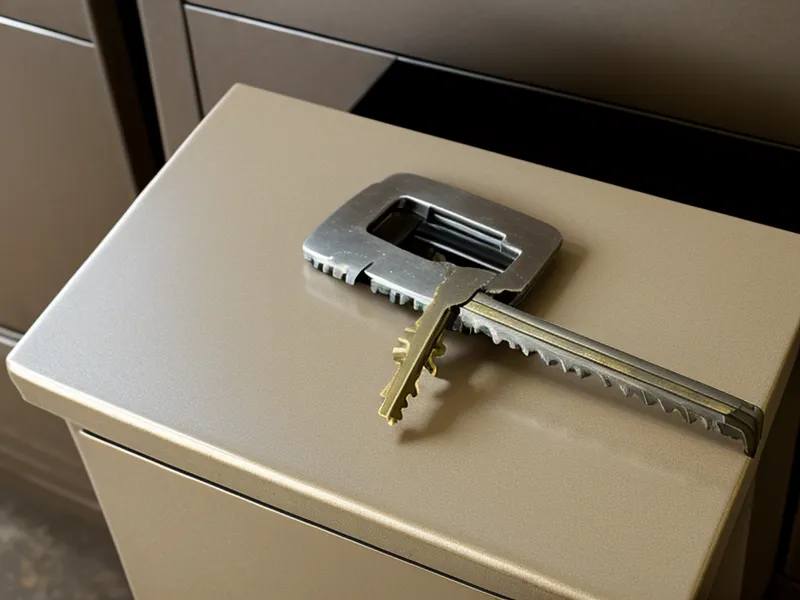
Once the hunting was done, the list turned out short: a deed that matched the county's current parcel records, pension paperwork that named a living beneficiary instead of an outdated one, several years of tax records clean enough to answer real questions, a signed agreement with the tenant living in the basement, and the passwords that unlocked whatever the paper trail could no longer show. Skip any one of the five and the software will still let you print something. It just will not be a will that holds up the way you think it will.
What the 1978 Deed Couldn't Tell the Software
In Indiana, the property deed is usually the single biggest asset in the folder, and it's exactly where I expected the least trouble. I wanted to set up a transfer-on-death arrangement so the house would skip probate entirely, a far simpler tool than most people assume once the current deed is actually in hand. What I pulled from the drawer instead was a deed from 1978, tied to a parcel number the county had retired years earlier during a remapping nobody in the family had noticed. Typing that old address into the will software would have produced a document that looked finished and meant nothing.
A corrected deed had to clear the county before anything else mattered. I mailed the fix on a Tuesday, braced for a long wait, and the recorder's office had it filed and back in hand before that same week was out. That single piece of mail did more for my mother's paperwork than any afternoon I'd spent staring at the software's questions.
Who Was Actually Named on the Pension
Pension and beneficiary paperwork was the pillar I underestimated most. My mother assumed her old teacher's pension named my brother, an assumption the whole family had repeated for years without anyone actually checking it. One login to the account's beneficiary page showed the listed name was still my father's, untouched since before he died. Fixing it took minutes once we had the password; finding that password took considerably longer, buried in a notebook that had nothing else to do with pensions at all. Updating that page is really the same beneficiary worksheet every will-writing program eventually asks you to fill out, except the pension login is the only place where the real, current answer actually lives.
Tax Records and the Small-Estate Threshold
Tax records were next, and this is where I hit the one approach that flatly did not work. Thinking my employer might offer some kind of legal help through my job, I called our HR department about the benefits package, hoping there was a referral service tucked in there somewhere. There wasn't. Their legal-benefit plan covered employment disputes and nothing about a parent's estate, which meant Managing the Household Ledger was mine to handle without a shortcut. Requesting the last few years of transcripts directly was slower, but it cost nothing, and it gave me numbers I could actually trust instead of guessing.
Whether my mother's estate landed above or below Indiana's small-estate cutoff of $100,000 mattered more than any of us wanted to admit, since crossing that line is the difference between a quick signature and a year in front of a judge. Proving which side of that line the numbers actually fell on needed real tax transcripts, not a guess pulled from memory. The same transcripts also let me confirm nothing had quietly been given away in a way that would matter if Medicaid ever entered the picture for her later.
Put the Tenant Agreement in Writing
The fourth pillar had nothing to do with death at all. My mother has had a graduate student renting the basement for years under a handshake arrangement, the kind of deal that works fine until somebody needs to prove income or clarify who has rights to that space if something happens to the homeowner. A will-writing program will ask whether there are tenants in the household. It will not draft the lease that protects either side. That one had to come from a separate form, written and signed, before either of us could call the paperwork complete.
Passwords Outlast Paper
Digital access turned out to be the fifth pillar, and paper alone could no longer hold it together. Every login connected to my father's old accounts, and to my mother's own, needed to live somewhere she or I could actually find it again, since a printed statement from a few years back is worse than useless once the real figures have moved entirely online. Building that list is really just a digital-asset inventory, the same kind most will-planning checklists mention once and then never explain.
My neighbor Myrna, two doors down, still refuses to touch a computer for anything she can manage by mail instead, and there's something to be said for a paper trail nobody can lock her out of. But for pension and beneficiary accounts that quietly update themselves online without telling anyone, that same instinct is exactly how a family ends up trusting a number that went stale years ago.
Finishing the Indiana Specifics
Indiana keeps a few rules that surprise people who've only ever seen wills on television. Two witnesses have to sign. A notary isn't required for the will to be valid, though skipping one means losing the self-proving clause that saves your kids an extra court appearance later, so I don't recommend skipping it. A handwritten will with no witnesses doesn't count here the way it might in a state that recognizes a holographic exception. None of that changes if the five pillars above are still incomplete. The software will happily generate a legally sound Indiana will out of bad data, and it will never once flag that the data was bad.
If your mother's situation includes an estate over $500,000, a blended family, or a beneficiary with special needs, that still means a trip to an attorney for review. No software substitutes for that conversation. The correction underneath all of this is smaller, but it holds for the rest of us: don't open The Kitchen Table Will process until the deed folder, the pension login, several years of tax records, the tenant's signed agreement, and the password list are actually sitting in front of you. The software only formats what you hand it. It has never once caught a mistake in the data, and it never will.