
One rainy Sunday morning in March, I sat at the same kitchen table where my father died the year before, staring at a manila folder labeled 'Important.' Inside, I found exactly two things: a blank 1040 from 2022 and a grocery receipt for a gallon of milk. There was no map of his life, no deed to the house, and certainly no will. As a reference librarian, my first instinct is always to research, but the hourly quotes from local probate attorneys made my salary look like pocket change. I realized then that if I could manage the Dewey Decimal System for a living, I could manage my family’s future with the right software.
Quick disclosure before we get into the weeds: every will-software, legal-form, and tax-prep link below pays me a referral fee when a reader subscribes through it. Your price stays the same as going direct. My household ran all three tools through real paperwork between 2023 and 2026. The referral income simply funds buying the next platform to print-test, which is the only way these reviews stay current.
Cataloging the Chaos: Why I Traded Billable Hours for Software
After that Sunday morning realization, I spent the next 11 months, from late last November through this current harvest season, essentially rebuilding my mother's legal life. In Indiana, if you don't have a clear plan, you're looking at a formal probate process unless the estate is under the Indiana small estate affidavit limit of 100,000 dollars. My parents' house alone blew past that threshold. I wasn't about to let half of Mom's savings go to a law firm because Dad forgot to file a piece of paper.
I started with WillMaker. As a librarian, I appreciate a good taxonomy, and their suite of 35 document types felt like a well-organized reference stack. It wasn't just about the will. It was the living trust, the healthcare directive, and the final arrangements document. I spent hours at the kitchen table, the smell of old manila folders lingering in the air, clicking through their interview process. I kept thinking, 'I manage the Dewey Decimal System for a living; I refuse to be defeated by a beneficiary worksheet.'

The Indiana Quirk: Witnesses Over Notaries
One thing that surprised me—and something you have to be careful about when using national tools—is the local flavor of the law. Here in Indiana, we have a two-witness rule for wills. Interestingly, a notary isn't strictly required for the will to be valid, but you definitely want a self-proving clause. I call that the 'page that saves your kids a court hearing.' It allows the witnesses to sign under penalty of perjury that they saw you sign the will, which means they don't have to be hauled into court years later to testify.
I also learned the hard way that Indiana has a strict holographic-will ban. If you handwrite your will on a napkin, it's just a napkin with ink on it in the eyes of the court. This is why I leaned so heavily on the software. WillMaker covers 49 states, excluding only Louisiana because they follow a civil law system based on the Napoleonic Code. For an Indiana resident, it’s a relief to know the software knows the local statutes better than I do. It even caught a major error I was about to make regarding my brother's status as a contingent beneficiary. The literal weight lifting off my shoulders when the software confirmed he was secured was the first time I'd breathed easily in months.
The Margin of Error: A Lesson in Print Settings
Even with the best software, the physical world can trip you up. During a mid-winter tax prep session, I finally finished my own will and Mom's updated documents. I felt like a pro until I took the papers to the bank. I had a hot flash of embarrassment when the teller squinted at my printed self-proving clause. Because I’d rage-printed the form three times trying to get the double-sided alignment right, the margins were off, making the document look unofficial and 'chopped.'
It was a reminder that DIY tools are powerful, but they require a steady hand during the final print phase. The teller eventually accepted it after I explained it was the Indiana no-notary version, but I went home and reprinted everything with a two-inch gutter just to be safe. That's the thing about the kitchen table filing cabinet: you are the quality control department. If the printer jams, it’s on you.

The Business Partner Blind Spot
While I was helping my brother draft his will using the same tools, we hit a wall that most basic guides skip over. He owns a small landscaping business with a partner. We assumed his share of the business would just go to his wife via the will. However, after some digging, we realized their corporate bylaws included a buy-sell agreement. In the world of legal hierarchy, those business agreements often take precedence over what you write in a personal will.
If you own a business with partners, your DIY will might be effectively useless for that specific asset if the partnership agreement says the other partner has the first right to buy out your shares. We ended up using LawDepot to pull a specific contractor agreement and a business-related form to clarify his standing. Their library of 400 forms is excellent for these one-off needs, like the rental agreement I needed for the tenant in my basement. It’s a different beast than an estate plan, but just as necessary for keeping the filing cabinet full.
When Tax Season Falls on the Librarian
The final piece of the puzzle fell into place just before the leaves started turning this year. Dad’s old CPA retired, and suddenly the family taxes were my problem too. I switched to E-file.com because I needed something that wouldn't judge me for having a messy 1040. Their prior-year import feature was a lifesaver; it picked up about 80 percent of the line items from Dad’s last filing, which meant I didn't have to decipher his handwriting.
I’m obviously not an accountant or a lawyer, and I have zero legal training. If your estate is over 500,000 dollars, or if you have a complex situation like a special-needs beneficiary, you should absolutely have a draft reviewed by an attorney. But for a suburban family trying to make sense of a manila folder, these tools are the difference between a legacy and a headache. Just remember that tax software and legal forms are tools, not magic wands. Investments can lose value, and past results don't guarantee future returns, especially when it comes to the IRS.
The Cold, Metallic 'Snick' of Success
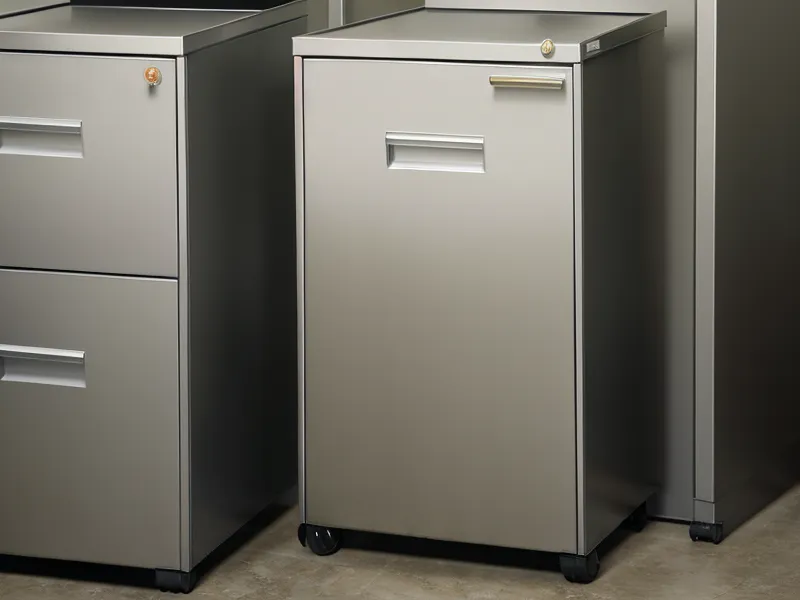
Last week, I finally finished the project. I stood in my mother's office and closed the drawer. The smell of old manila folders was gone, replaced by the crisp scent of fresh laser-printer ink. The cold, metallic 'snick' of the filing cabinet drawer closing on a job finally finished was the most satisfying sound I've heard in three years. We aren't leaving behind empty folders anymore.
If you're sitting at your own kitchen table tonight, staring at a pile of unopened mail and wondering where to start, my advice is to just open the first drawer. You don't need a law degree to protect your family; you just need a good printer, a couple of neighbors who can sign with you over coffee, and the patience to check your margins. If you're ready to stop guessing and start filing, I highly recommend starting your draft with WillMaker to get the heavy lifting out of the way.