
One Sunday morning last November, I sat at the same kitchen table where my father passed away, staring at a stack of legal quotes that cost more than my monthly mortgage. It was a cold morning, and the coffee in my mug had gone lukewarm while I stared at the manila folders labeled with his handwriting. I’m not a lawyer or a paralegal; I’m a reference librarian at a suburban Indianapolis branch. I spend my days helping people find call numbers and navigate the digital archives, so I figured I had the research skills to handle our family’s paperwork myself. I was tired of the high hourly gates keeping me from protecting my mother’s future.
Quick disclosure before we dive in: every will-software, legal-form, and tax-prep link you see below pays me a referral fee if you decide to subscribe through them. Your price stays exactly the same as if you went direct. My household actually ran all three of these tools through real, messy paperwork between 2023 and 2026. This referral income helps me keep testing the next platform so these reviews stay as honest as the fine print on a library card. I’m not a professional advisor, so please talk to a licensed attorney if your situation is complex.
The Filing Cabinet Reconstruction Project
Rebuilding my widowed mother’s filing cabinet became a second job during the long winter months. After Dad died, we realized their paperwork was a bit of a 'holding shelf'—nothing was where it belonged, and half of it was out of date. I needed state-specific language for Indiana without paying a $300 hourly gatekeeper. I started with WillMaker because it’s the heavy hitter for big-picture items like her living trust and healthcare directive.
In Indiana, we have some specific quirks. For one, we are a two-witness state for wills, but we don’t strictly require a notary for the will to be valid—though having a 'self-proving clause' (which is just librarian-speak for the page that saves your kids from a court hearing later) is much easier if you do get it notarized. WillMaker handles this by including 35 different document types in their library, tailored to the laws of 49 states. They are very clear that they don’t cover Louisiana because of its unique legal system, but for us in the Hoosier state, it was exactly what we needed.

One thing I learned while organizing legal documents after a parent passes away is that the software does the 'interviewing' for you. I sat with Mom and we went through the prompts. It felt a lot like a reference interview at the desk. The software asked questions I hadn't thought of, like what happens if a beneficiary dies before she does. It’s a bit like a living trust safety net. I realized that if I had just printed a random form off the internet, I would have missed the 'contingent beneficiary' section entirely.
The Beneficiary Catch at the Kitchen Table
During the peak of tax season this past spring, I was deep into the WillMaker prompts for my brother's draft. The software flagged a missing contingent beneficiary for him. It was a simple worksheet, but it caught a mistake that would have sent us straight to probate court in a few years if he had passed away without a backup plan. In Indiana, if your gross probate estate is under 100,000, you can often use a small estate affidavit to avoid the full probate process, but if you mess up the beneficiaries on larger assets, you’re looking at months of delays.
I’ve seen enough people come into the library looking for 'holographic will' forms—which is just a fancy way of saying a handwritten will. I have to tell them every time: Indiana doesn't recognize those. You need the formal structure. WillMaker gives you that structure. It’s not just a 'fill-in-the-blank' form; it’s a guided process that ensures the margins are right and the language is 'self-proving.' I did have one moment where the margins on the self-proving clause confused a bank teller, mostly because she hadn't seen the Indiana-specific no-notary version before, but we got it sorted. You can check the current pricing for the full document suite on their website, as it changes depending on the version you choose.
When Tax Season and Estate Planning Collide
Things got complicated in late July. My father's long-time CPA retired right when I needed to finish the final filings. Suddenly, the tax burden fell on me. I had to pivot from estate planning to tax prep. I used E-file to handle the transition because it allowed me to import Dad’s old 1040 PDFs. It picked up about 80% of the line items, which saved me from re-typing his entire history.
For a one-person household like my mom's now is, E-file is a breath of fresh air. Their basic tier is for simple situations with an AGI under 100,000, which fit her profile perfectly. I’ve written before about why I switched to E-file.com after years of professional prep, and it really comes down to the transparency. They don't bury the state filing costs until the very end; they tell you upfront that it's about twenty-five bucks. It’s a lot like the library's late-fee policy: clear, upfront, and no surprises if you just follow the rules.
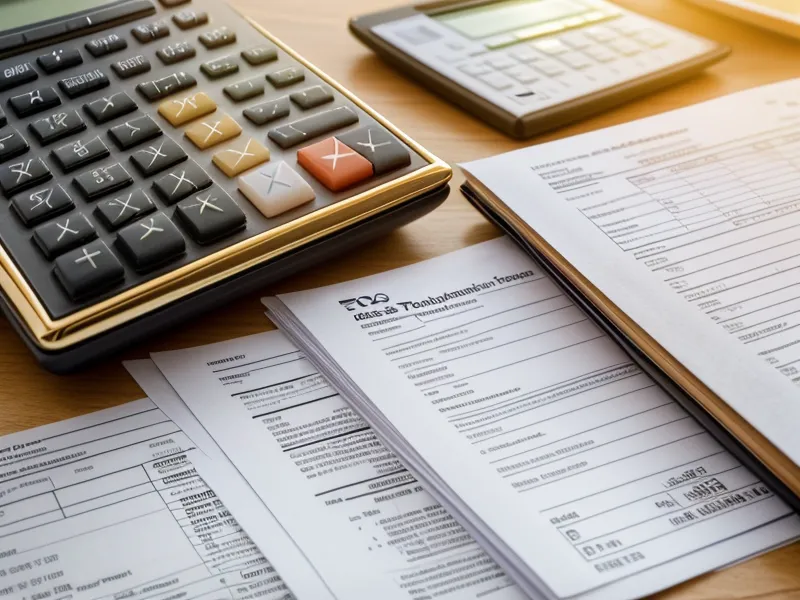
While I was wrestling with the 1040s, I also had to deal with the basement. We decided to rent it out to a family friend to help Mom with the property taxes. I didn't want to spend another five hundred dollars on a lawyer for a rental agreement, so I turned to LawDepot. They have a library of over 400 forms. I pulled a residential lease and even a one-page contractor agreement for the kitchen renovation we did earlier this year. It was much easier than trying to hunt down a template in our reference section. You can check LawDepot’s current subscription rates on their site; I usually just subscribe for the month I need it and then cancel once the forms are printed.
The Limits of the Kitchen Table: A Librarian’s Warning
Now, I have to be honest. As much as I love these tools, they aren't for everyone. I was helping a patron the other day who was a business owner with international partnerships. He had assets in Canada and a partner in Germany. I told him straight out: "Sir, you need a real lawyer." Standard DIY templates often fail to address multi-jurisdictional tax laws and cross-border asset transfer restrictions. If you have a 'blended family' or a special-needs beneficiary, or if your estate is looking like it’s well over half a million, please don't just rely on a website. I’m a librarian, not a magician. My situation was a straightforward Indiana suburban estate, which is what these tools are designed for.
I also tell people to be careful with the 'auto-renew' on some of these services. LawDepot is great, but if you forget to set a calendar reminder, you’ll keep paying for those 400 forms long after your kitchen is finished. I learned that the hard way during the first year of Dad’s paperwork. Now, I treat it like a 'new release' book: I check it out, use it, and return it (cancel the sub) as soon as I’m done.
Closing the Cabinet
About three weeks ago, I finally locked the filing cabinet. The 'Mom Papers' binder is full, the tabs are labeled, and the 'hold queue' for her estate is finally empty. The peace of mind didn't come from a law firm's embossed folder or a leather-bound binder that cost a thousand dollars. It came from sitting at this table, drinking cold coffee, and realizing that with the right software and a few quiet afternoons, I could protect my family's future myself.
If you're staring at a stack of folders and feeling that same heaviness I felt last November, start small. Maybe just draft a funeral planning document using WillMaker to get the momentum going. You don't have to do it all in one Sunday. Just take it one form at a time, check your margins, and remember that you're the best researcher your family has. If you're ready to get your own Indiana paperwork in order, I’d suggest starting with WillMaker for the big stuff—it’s the tool that finally let me sleep through the night without worrying about probate court.