
The receptionist's voice doesn't crack or apologize. She just says she can't confirm my mother is even a patient there, let alone tell me whether the labs are back, because my name isn't on any authorization list. I've spent years walking strangers through hold queues and overdue-fine disputes at the reference desk, and now I'm the stranger on the other end of a phone call, standing in my mother's kitchen getting nowhere. It's the same wall every adult child of an aging parent eventually hits: a HIPAA authorization form is the unglamorous caregiving tool that decides whether you get real information or a dial tone, and nobody at the clinic hands you a template for it.
Quick disclosure while we're at the kitchen table together: some of the legal-form and tax-prep links further down pay me a small referral fee if you end up subscribing, at no extra cost to you. I ran every one of these tools through actual paperwork over the past few years, Mom's estate and mine both, which is the only way I know whether the margins print straight or the interview questions actually make sense to someone who isn't a lawyer.
Elder Care's Missing DIY Legal Form
After my father died at the kitchen table in 2023, I did the big legal work first because it felt urgent, drafting my mother's WillMaker will and sorting out her account beneficiaries. My first instinct on the estate side was easier than doing it myself, so I called his CPA and asked him to just take over the paperwork he'd handled every tax season for years. He didn't call back for a while, and when he finally did it was to tell me he'd retired and never updated his voicemail greeting. So it all landed on me anyway, the taxes and the HIPAA form both.
A will handles the end of things. What I hadn't planned for was the middle, the messy medical day-to-day where you just need to know if the labs came back or whether Mom's blood pressure reading from Tuesday's appointment was actually fine. I'm not the only one who's hit this. A reader named Deanna Frick emailed me the week she turned thirty-eight, panicked that she had no will, no power of attorney, and no idea where her homeowners paperwork even lived in her new house in Carmel. Buried in the same email was a smaller question: what happens if her own mother's doctor won't talk to her. She'd already found a generic form on the self-help shelf at Carmel Clay Public Library, but it only left room for one authorized contact, the same problem I'd run into with Mom's clinic. Deanna is not a patient person. She'd printed and hole-punched a WillMaker output before she'd even finished answering every interview question. Getting an actual HIPAA authorization on file for her mother sat unfinished for months anyway.

The LawDepot Interview That Finally Fit Two Names
I'd already used LawDepot for the lease on Mom's basement apartment, and that one had gone smoothly enough that the tenant signed it the same afternoon it came off the printer, no smudged clauses, no follow-up calls asking what a paragraph meant. That's why I trusted the subscription with the HIPAA form instead of digging through WillMaker's own health care directive, buried somewhere in that thirty-five-document package. LawDepot's interview asked who could receive information and what kind, in plain situational questions instead of legal jargon, and let me add my brother as a second contact without cramming his name into a margin the way the clinic's own photocopied version would have forced me to.
For the paperwork side of caregiving generally, it helps to understand the difference between durable and general power of attorney for parents, since medical access and financial access rarely travel alone once a parent starts needing regular help.
Indiana Doesn't Ask for a Notary, Just Two Witnesses
Indiana has its own quirks here. Healthcare paperwork generally wants two witnesses if you want it self-proving, which just means the page that keeps your kids out of a courtroom hearing later, and the state doesn't require a notary for a form like this. My neighbor Myrna Koechel signed as one of mine. She'd rather put a stamp on an envelope than click through anything on a screen, so a two-witness paper form suited her fine, and we did the whole thing over coffee at her kitchen table instead of mine.
Why a Signed Paper Still Won't Get You Into the Portal
Even after the clinic scanned my printed PDF into their system, I still couldn't log into Mom's patient portal to see her own test results. A signed authorization tells the humans at the front desk they're allowed to talk to me. It does nothing for the software running her chart, because nobody at the clinic thinks to link paper permission to a login. I ended up sitting with Mom while she set up her account and formally added me as a proxy through the portal's own settings, which took longer than the LawDepot interview had. If your parents' care involves ongoing medical decisions rather than just information access, it's worth reading up on how to choose a health care proxy for medical power of attorney too, since the two documents solve different problems.
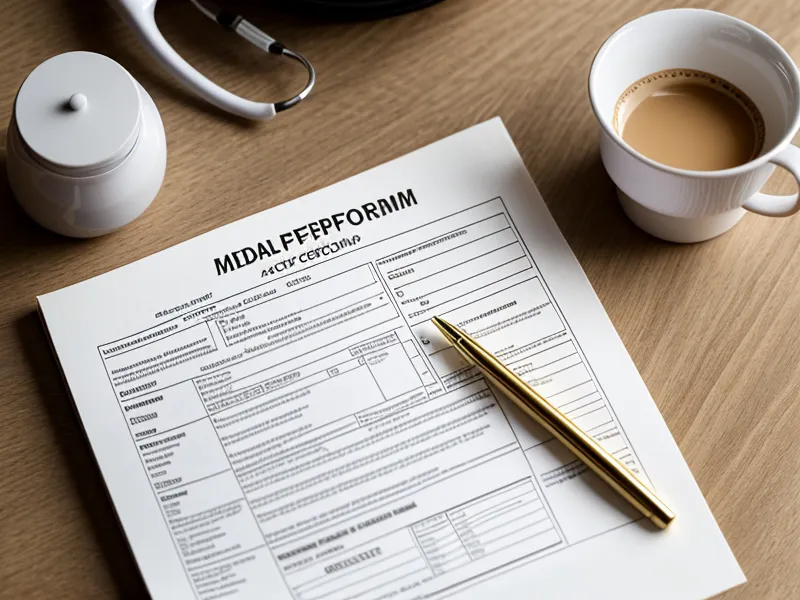
Building a File Mom Can Actually Use
By the fourth week of going through Mom's mail and her filing cabinet together, the HIPAA authorization was just one of several forms that had gone from a blank interview screen to a signed page in a folder. That folder has gotten thick enough that the tab won't lie flat against the others anymore, which tells you something about how much of this actually piles up once you start looking. Since Dad's CPA retired, I've leaned on E-file.com for the tax side of things too, and its free federal tier covers a household with an AGI under 100,000, which happened to be exactly our situation once things settled. None of these tools replace each other. They just each cover a different drawer in the same filing cabinet.
Walking the printed HIPAA form into the clinic felt different from every other errand that summer. The receptionist read it, nodded, and filed it without a single follow-up question. If you're doing this for your own aging parents, get the authorization signed and copied before you need it at a front desk, not after some receptionist tells you no over the phone. A tool like LawDepot handles the paper end well enough; the harder part is just making yourself sit down and fill it out before the emergency, not during one.